
Why We Vegetable Tan
Tanning is the process that turns a raw hide into leather that won't rot. There are two ways to do it, and the one a seller chooses tells you most of what you need to know about the hide.
Chrome tanning
Invented in the 1850s, it uses chromium salts to tan a hide in about a day. It's the method behind most leather in the world, from car seats to sneakers, because it's fast, cheap, and consistent. It's also how most buffalo hides sold online are made.
The trade-off is what's in the hide. Chrome tanning leaves chromium salts in the leather, which is why the industry has spent decades arguing about whether it's safe to wear. It also produces a hide that's soft in a uniform, slightly synthetic way, and stays exactly the same for as long as you own it. Nothing develops. Some sellers using multi-step chemical processes warn in their own listings that parts of the hide may still be rough or tough.
Vegetable tanning
The old way. Tannins from tree bark and plants, soaked into the hide over days, then worked by hand. It's how leather was made for thousands of years before chrome, and it's how the best leather is still made.
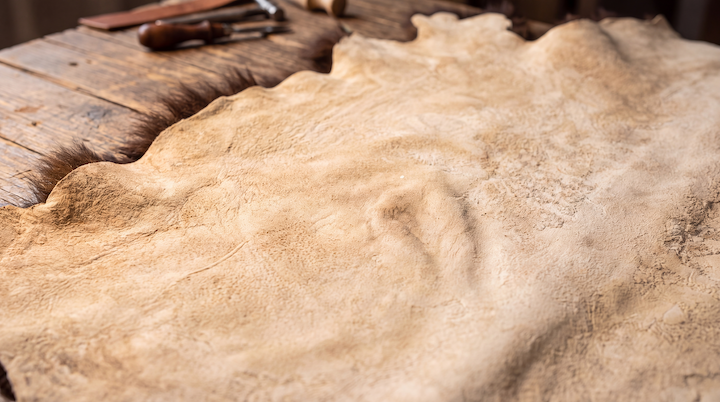
Our hides go to a tannery in the United States where one artisan works each one from start to finish, 10 to 15 hours of direct hand labor. The hide is then oiled, not waxed, and the suede side is left exactly as it came off the table. More on that in Our Story.
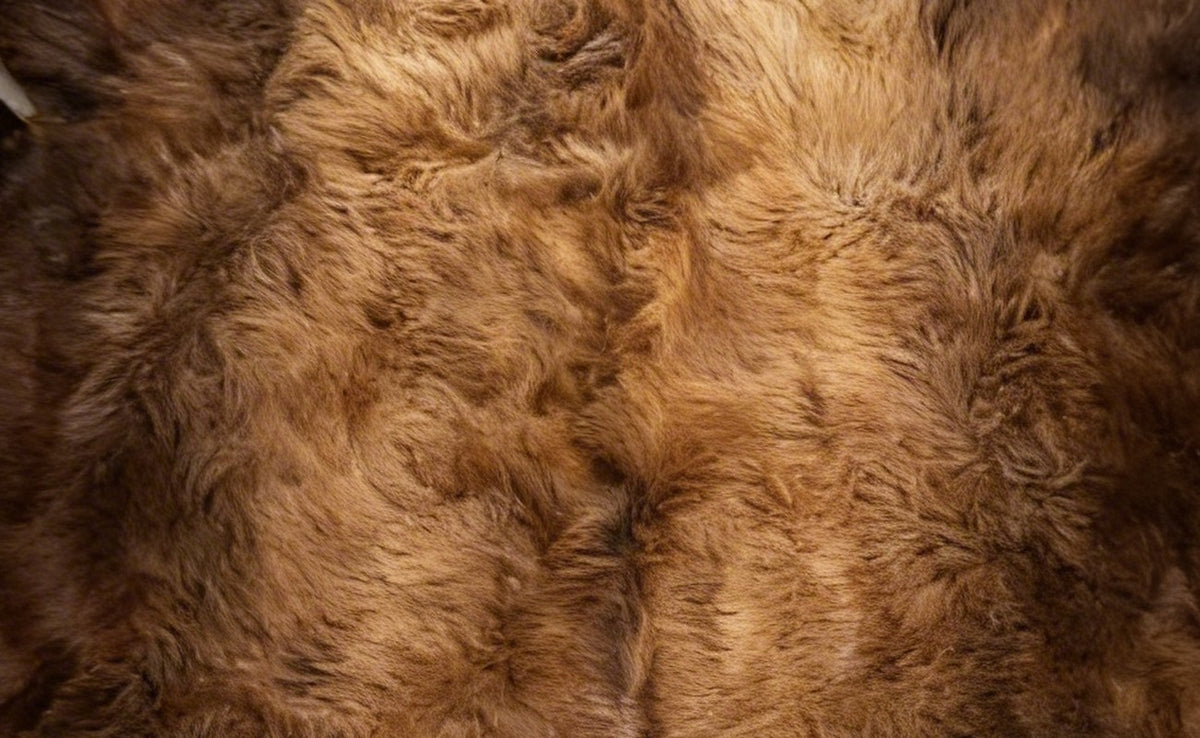
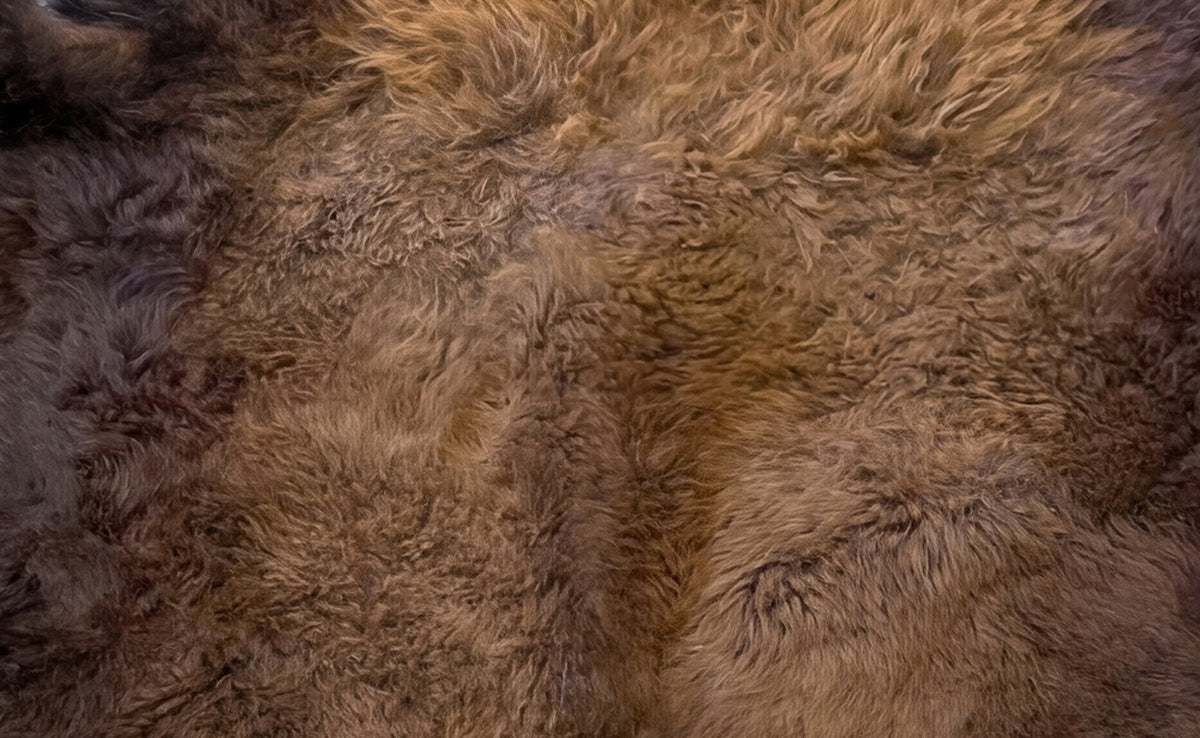
The result is a hide that's soft enough to wear, that breathes, and that gets better with age instead of worse. No chrome, nothing to wear off. It's also why our hides need so little upkeep, which is covered on the Hide Care page.
Why it costs more
Time, mostly. A chrome tannery processes hides by the hundred. A vegetable tannery processes them one at a time. That's the difference in price, and it's also the difference in the hide.
We could sell chrome-tanned hides for less. We'd rather sell a hide you'll still have in thirty years.
How to tell which you're looking at
Ask. A seller who vegetable tans will say so, because it's the most expensive thing they do. A seller who doesn't mention tanning at all, or who describes it as a "double tanning process" without saying what that means, is almost certainly chrome.
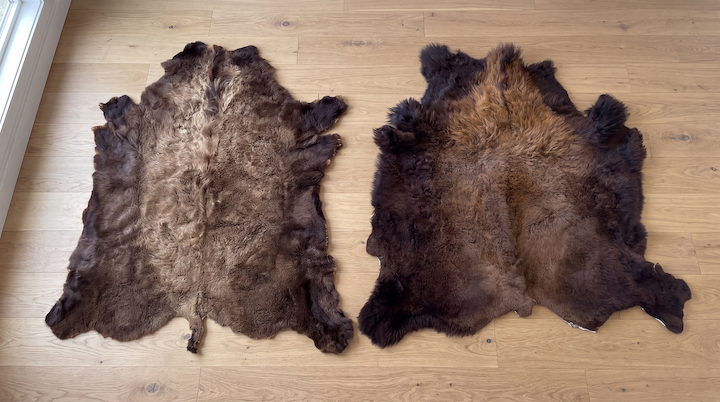
Both of our hides, Frontier Reserve and Frontier Select, are vegetable tanned in the USA. If you're choosing between them, start with Compare the Hides.

Written by Hide Frontier