
The Story of the American Bison
The Story of the American Bison
Before
When Europeans arrived, somewhere between thirty and sixty million bison lived on this continent. The herds were so large that travelers wrote about waiting days for one to cross a river. For the Plains tribes, the animal was food, shelter, clothing, and tools. A winter robe was the warmest thing a person could own.
The collapse
In the space of about twenty years, from the 1860s through the 1880s, the herds were hunted nearly out of existence. Railroads, commercial hide hunters, and deliberate policy to weaken the tribes that depended on the animal. By 1889 a survey counted fewer than a thousand bison left in the wild.
The recovery
A handful of ranchers and a few early conservationists kept small herds alive. Yellowstone protected its last two dozen. The American Bison Society formed in 1905 and began breeding and relocating animals to public land. It was one of the first organized wildlife recoveries in American history, and it worked.
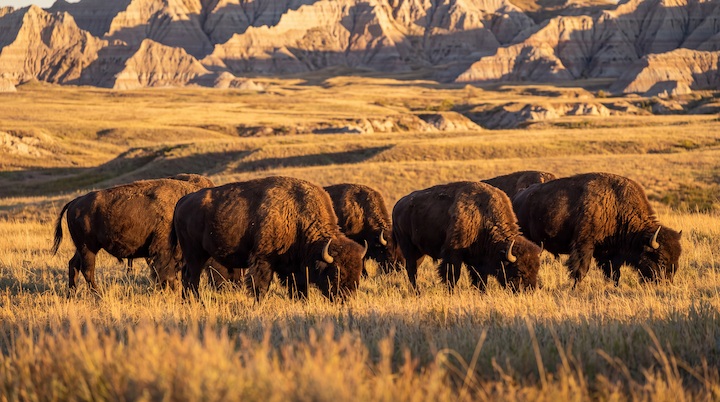
Today there are roughly half a million bison in North America. Most live on private ranches, raised for meat the way cattle are, and a smaller number live on public land and tribal land as conservation herds. In 2016 the bison became the national mammal of the United States.
Where our hides come from
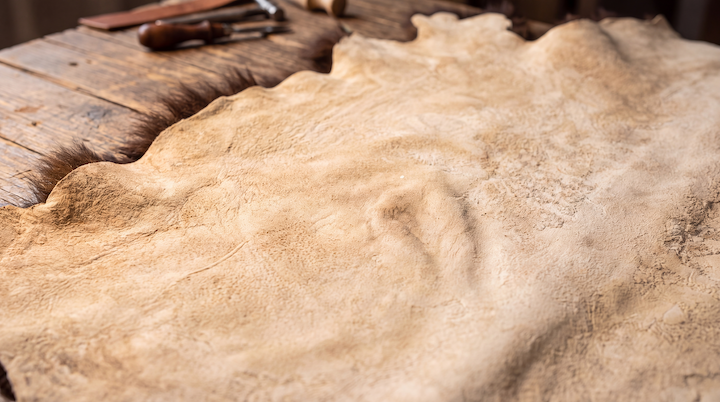
Ranched bison, raised for meat on American land. The hide is a byproduct. Without the hide trade, most of them would be cut for scrap leather or discarded. Buying a hide supports the ranchers who keep the herds going, and it puts to use the one part of the animal that would otherwise be wasted. There's more about how we choose ours in Our Story.
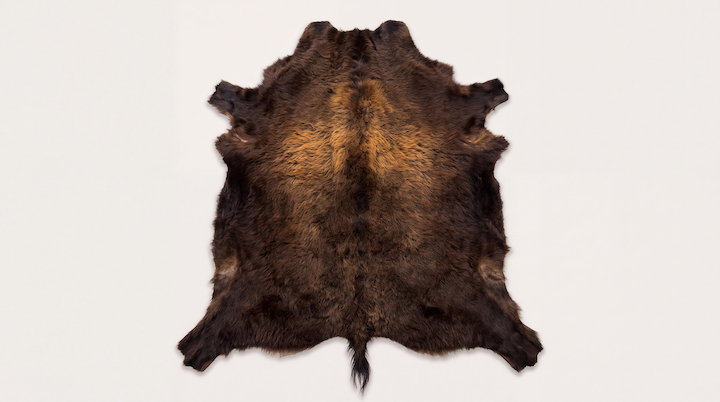
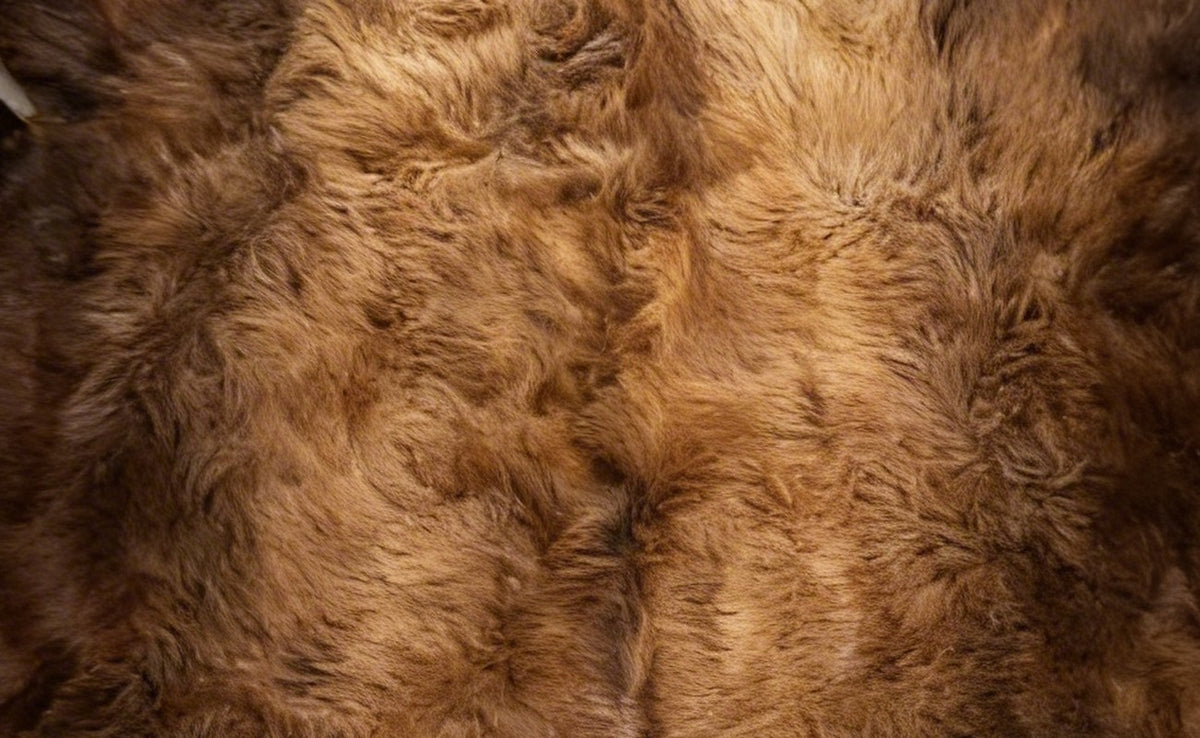
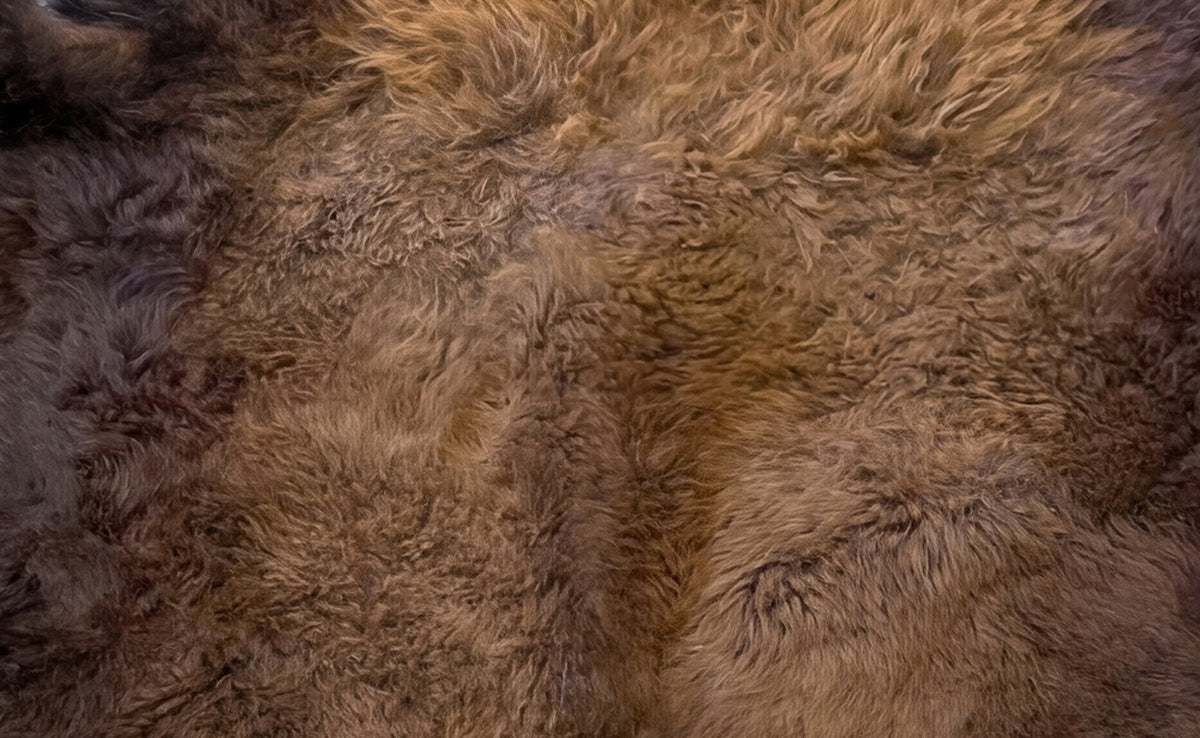
Every one of our hides carries the story of an animal that lived on this land. The markings, the occasional healed scar, the way the coat lies. That's what you're bringing home, whether it's a Frontier Reserve or a Frontier Select.

Written by Hide Frontier