
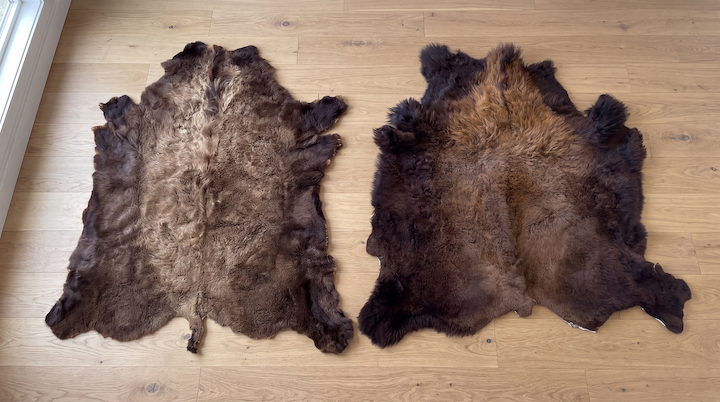
How to Choose a Bison Hide
Most buffalo hides sold online look the same in a photo. They're not. Here are the four things that actually separate them, in the order they matter.
1. Fur length
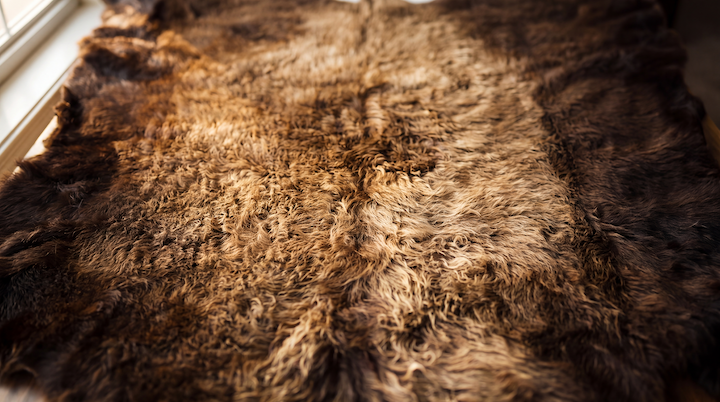
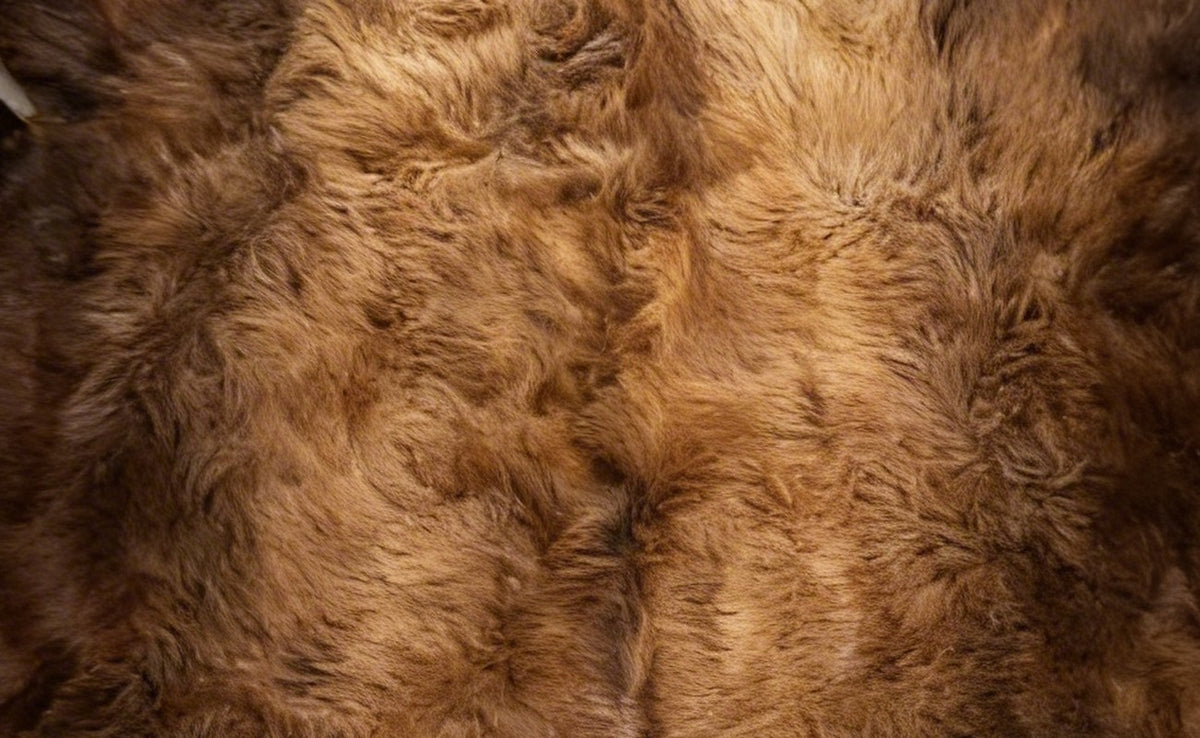
This is the number almost nobody publishes, and it's the one that tells you the most. A bison grows its coat for winter and sheds it in spring, so a hide taken in January has a coat that a hide taken in June doesn't. Sellers call this "winter weight" or "prime winter coat," which sounds good and means nothing without a measurement.
Ask for the length in inches. A true winter hide runs four inches and up. Our Frontier Reserve runs up to seven. If a seller can't or won't give you a number, that's your answer.
2. Grade
Hides are graded on the leather and the coat. First grade means no sewn patches and no hair slippage, the trade term for bald spots where the hair has come loose from the skin. Second grade has one or both. Third grade has more.
Only a small share of hides come off the animal good enough for first grade. The rest are cut for upholstery leather, where you don't need the whole hide. First grade costs more because most hides don't make it.
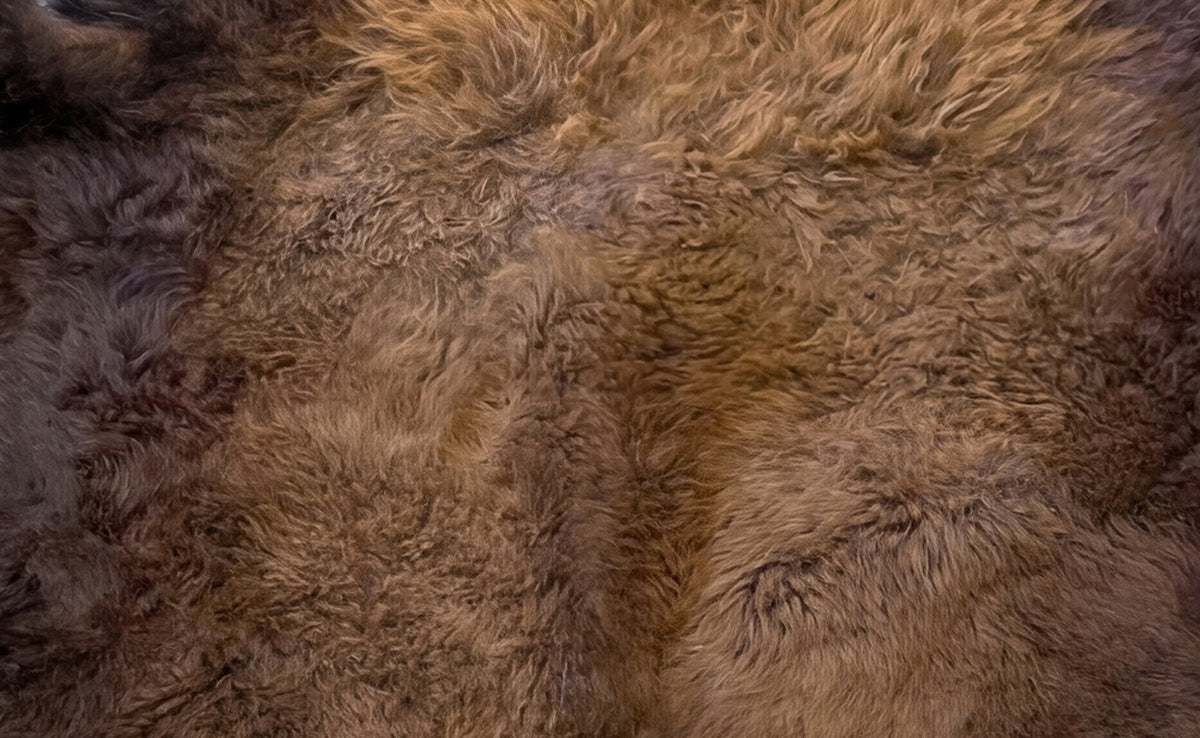
What first grade doesn't mean is flawless. Every hide has natural markings, the occasional healed scar, and areas where the fur bunches or curls. That's a real animal. Sewn patches and bald spots are not.
3. Size, measured honestly
Sizes in this category are measured tip to tail, including the legs and the tail, and they vary more than you'd think between sellers claiming the same thing. A "large" from one seller is an "extra large" from another. Ask for the length and width in feet, and ask whether that includes the tail.
Our Reserve is approximately 7.5 feet by 6.5 feet. Our Select is approximately 7 by 6. Both include the tail.
4. Tanning
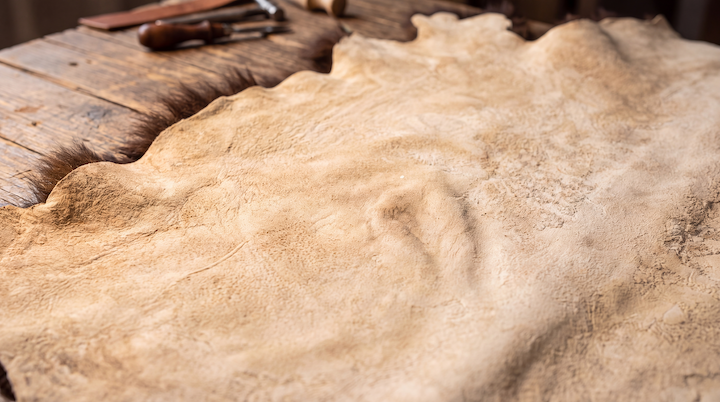
Most buffalo hides sold online are chrome tanned. Some sellers say so plainly, some describe a "double tanning process" without naming it, and some say "traditional tanning" and leave it there. Chrome is fast and cheap and leaves chromium salts in the leather. It's also why most chrome-tanned hides are sold as rugs and rarely as something to wear.
Vegetable tanning uses plant-based tannins and time instead. It takes days rather than hours, and each hide is worked by hand. The result is softer, more natural, and ages better. It also costs more, which is why most sellers don't do it.
Ask how the hide was tanned. If the answer is vague, it's chrome.
The questions to ask any seller
-
How long is the fur, in inches?
-
Is it first grade? Any sewn patches or hair slippage?
-
What are the dimensions, and do they include the tail?
-
How was it tanned, and where?
-
Is shipping insured, and what's the return policy?
Our answers
Fur length. Up to 7 inches on Frontier Reserve, up to 5 inches on Frontier Select.
Grade. Both are first grade. No sewn patches, no hair slippage. Every hide is hand-selected from current inventory to match what's described on the page.
Dimensions. Reserve approx. 7.5' x 6.5'. Select approx. 7' x 6'. Both tip to tail, tail included. The full comparison is on Compare the Hides.
Tanning. Vegetable tanned in the United States by one artisan over 10 to 15 hours. No chrome.
Shipping and returns. Free shipping within the US, fully insured, signature on delivery. Details in our Shipping Policy. Unused hides can be returned within 14 days of delivery. Details in our Return Policy.
A good seller answers all five without hesitation. If you have a sixth, email care@hidefrontier.com.

Written by Hide Frontier