
Article: Bison or Buffalo? Why Both Words Are Right
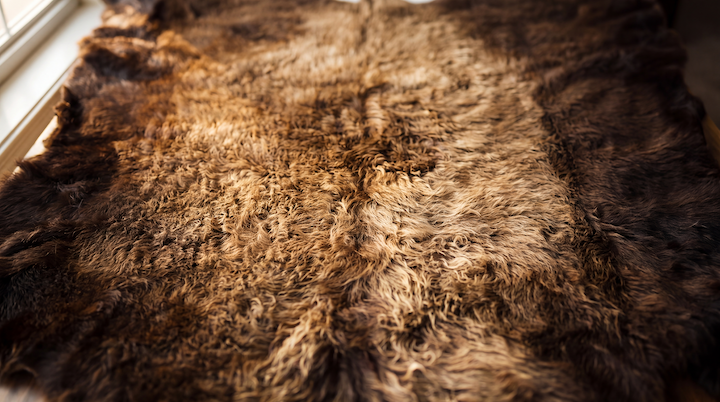
Bison or Buffalo? Why Both Words Are Right
If you've been shopping for a hide, you've seen both words. Buffalo hide, bison hide, buffalo robe, bison rug. Same animal every time. Here's why.
The animal is a bison
The scientific name is Bison bison. It's native to North America, and it's the animal on the nickel and the National Park Service badge. True buffalo, the Cape buffalo and the water buffalo, live in Africa and Asia and aren't closely related.
The word is buffalo
French trappers in the 1600s called them "les boeufs," their word for oxen. English speakers heard "buffalo," and it stuck. By the time anyone pointed out that the animal wasn't technically a buffalo, the word had been in use for two hundred years. Buffalo Bill, buffalo nickels, buffalo robes. The name is American history now. We wrote more about that in The Story of the American Bison.
So which do we use?
Both. When we're being precise, it's a bison hide. When we're talking the way people actually talk, it's a buffalo hide. The hide on your floor doesn't care.
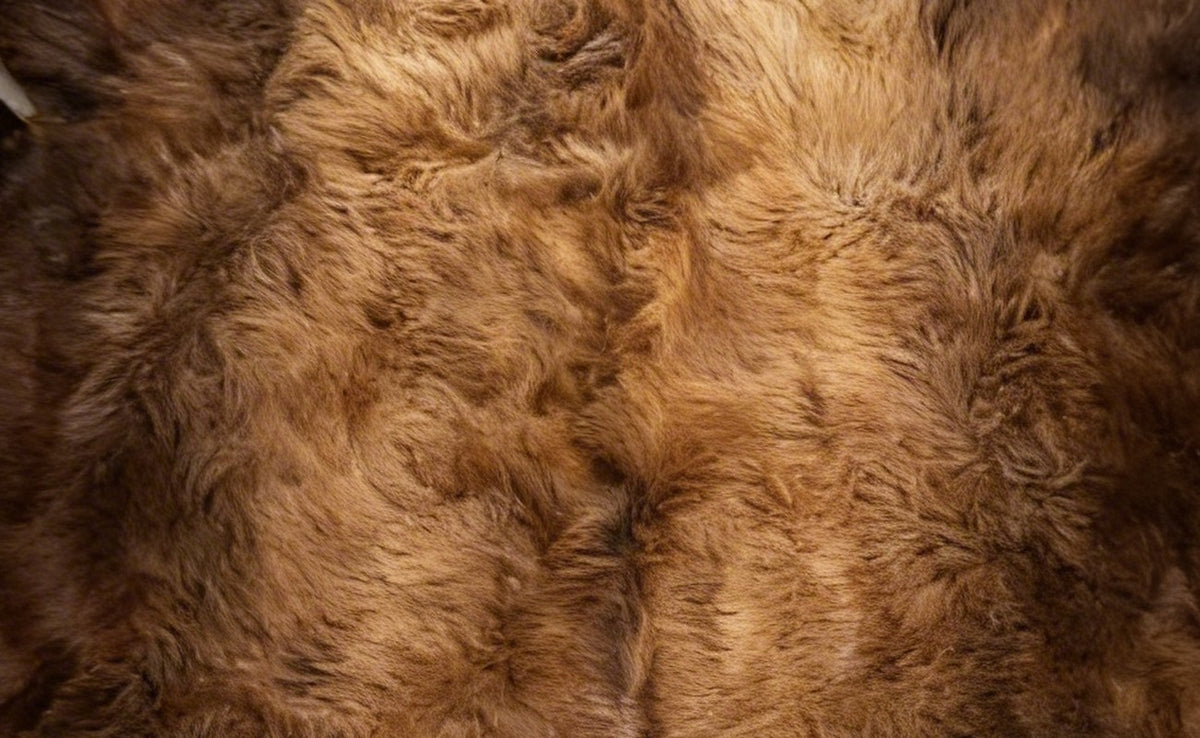
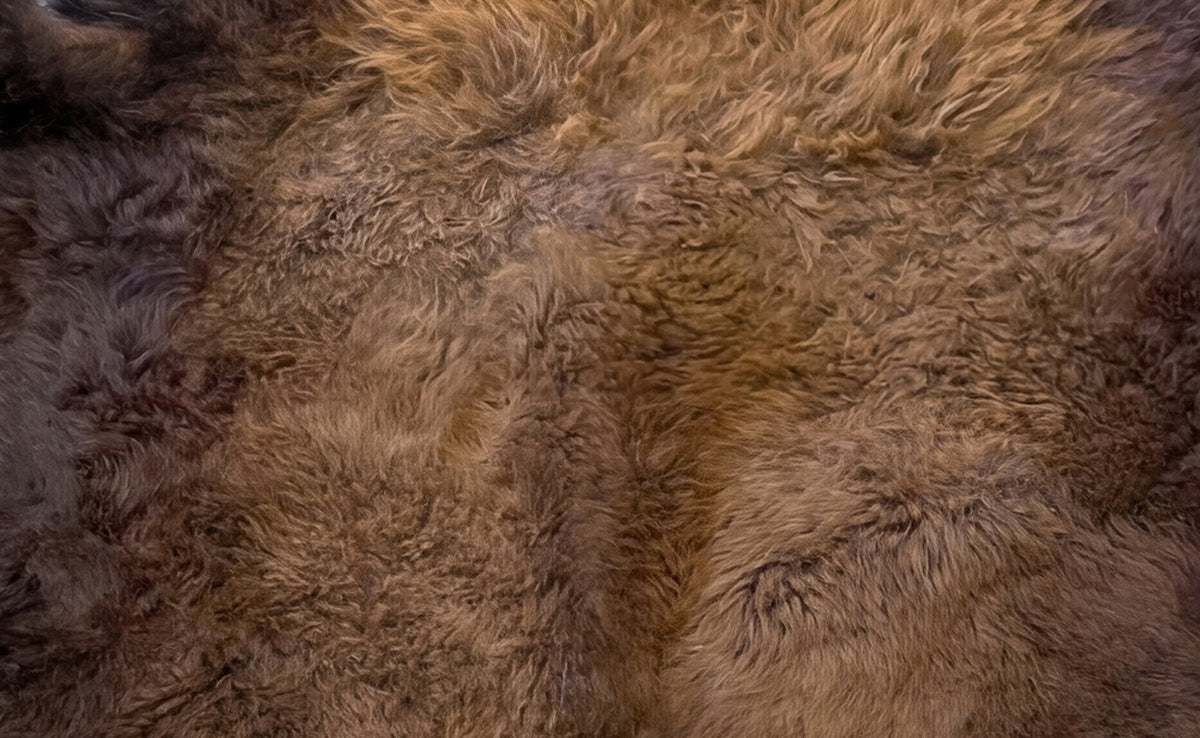
What matters more than the name is what you're getting. A first-grade hide from a winter animal has a full, deep coat. A summer hide is thin. A second-grade hide has sewn patches or bald spots where the hair has slipped. The word on the listing tells you nothing about any of that. The grade, the fur length, and how it was tanned tell you everything.
The two hides we sell
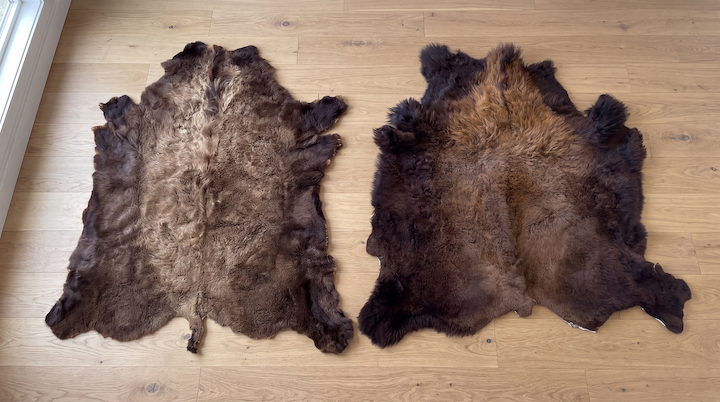
Both are first-grade American bison, taken in winter, vegetable tanned by hand in the United States.
Frontier Reserve is the larger and softer of the two, with a coat up to seven inches deep. Frontier Select has a thicker, firmer hide and a dense coat up to five inches. Not sure which? Compare them side by side. Call either one a buffalo hide or a bison hide. We won't correct you.

Written by Hide Frontier